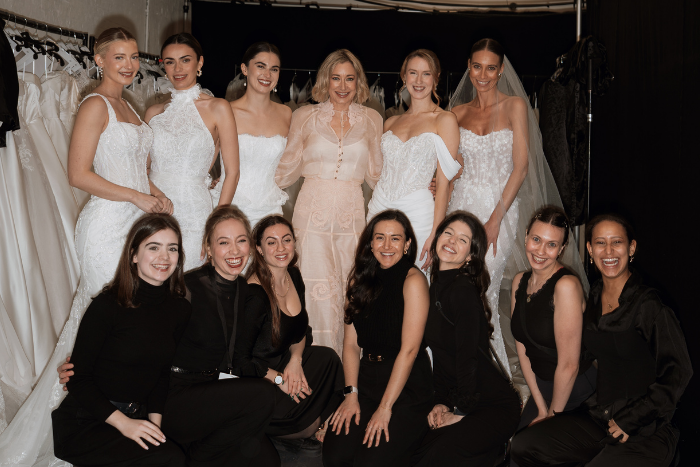
Connecting with Gen Z Brides: The Industry & The Next Generation
Gen Z brides are transforming the industry with new expectations around authenticity, inclusivity and personalisation. The team behind Maggie Sottero shares how to connect with this next generation of shoppers.


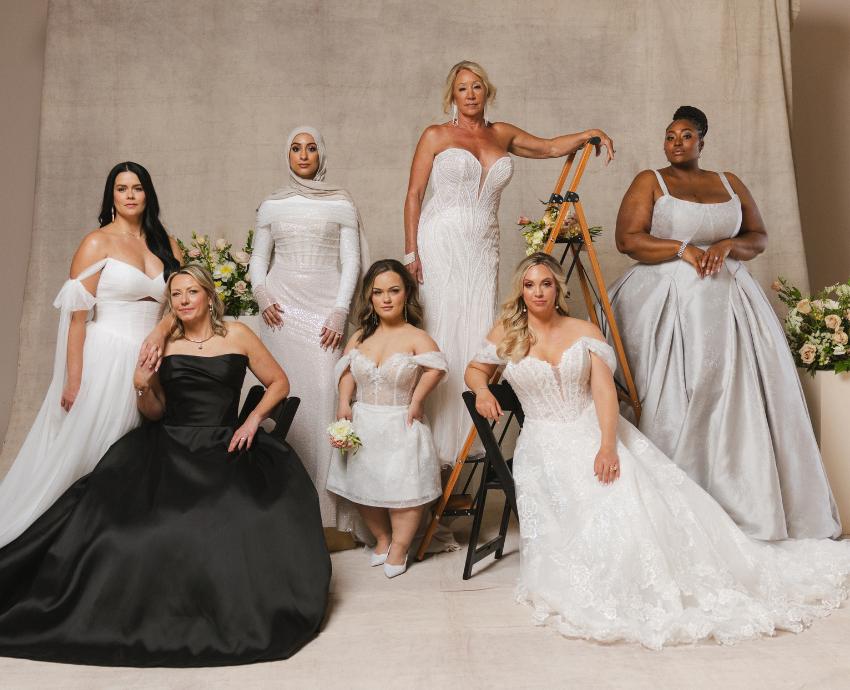
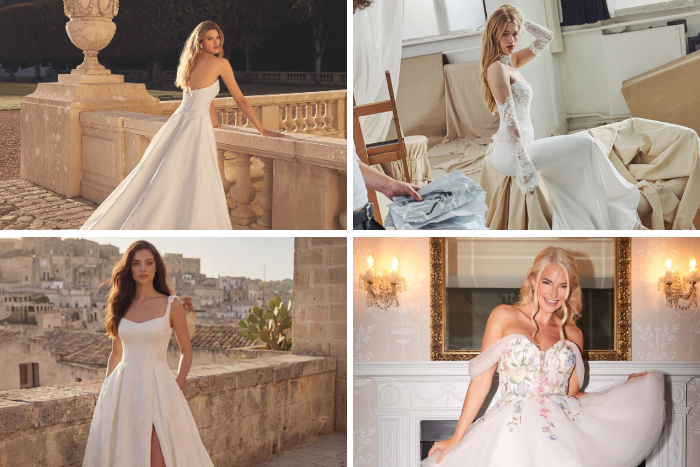
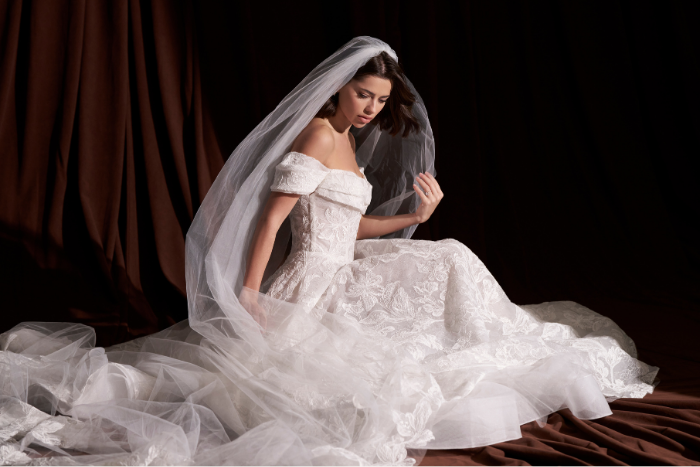
From TikTok-inspired mood boards to heightened expectations around inclusivity and brand values, Gen Z brides are changing the way bridal brands design, market and sell wedding gowns. Today’s shoppers arrive informed, intentional and looking for more than just the perfect dress - they’re wanting brands that reflect their identities and values. Maggie Sottero Designs have watched that evolution unfold firsthand, seeing how Gen Z’s expectations requires authenticity, thoughtful product development and an experience that makes every bride feel seen. Christina Blanchette, VP of Sales, shares how the brand is adapting to a new generation of bridal shoppers.
How is the Gen Z bridal shopper different from previous generations?
Rather than relying on boutiques to guide the entire shopping journey, today’s brides often walk in having already researched designers, styles and reviews across social media platforms.
"Gen Z brides are holding the industry to a higher standard, and that’s been good for all of us. They arrive at their appointments already informed. They’ve watched hours of try-on content, followed stylists, boutiques and brands on TikTok, built their mood boards on Pinterest, and scoured Reddit comments and reviews."
The brand says those brides are also more intentional with their purchases, expecting designer gowns to deliver both emotional and practical value: "They’re much more intentional brides. If they’re investing in a designer gown, it’s because they want to look and feel extraordinary, and they expect that investment to deliver - clear value for their dollar, the convenience of options like Quick Ship, genuine inclusivity, and a brand whose sustainability values match their own. By the time they walk into a boutique, they have opinions and references, and they expect their stylist to meet them where they’re at and take their experience to another level. That’s a real shift from brides who used to come into an appointment looking to be guided from start to finish."
What role do authentic campaigns play in engaging younger consumers?
According to the brand, campaigns need to feel genuine rather than overly polished if they hope to capture Gen Z’s attention. "A campaign only works with Gen Z if it’s worth sharing. They decide in a second whether something is worth their attention, and they give it freely to the brands that feel genuine and tune out the ones that feel like they’re trying too hard. So, we try to keep our campaigns fresh and our storytelling honest - with new faces, new ideas and real moments."
Why has storytelling become such an important tool for building brand loyalty?
For Gen Z consumers, the product and the brand behind it are inseparable. Maggie Sottero says younger shoppers want transparency about who they’re buying from, not just what they’re buying.
"Gen Z doesn’t separate the gown from the designer behind it. If a bride loves a dress, they want to know who made it, what they stand for, and whether those values line up with their own."
Christina goes on to say: "It’s less about brand loyalty in the traditional sense and more about whether a brand has earned their trust. So storytelling isn’t a marketing layer we add on top of the product. For Gen Z, the story is part of the product."
Why is inclusivity such a critical expectation for today’s brides?
The company says inclusivity has become embedded throughout its business, from product design to retailer education, rather than existing as a standalone initiative.
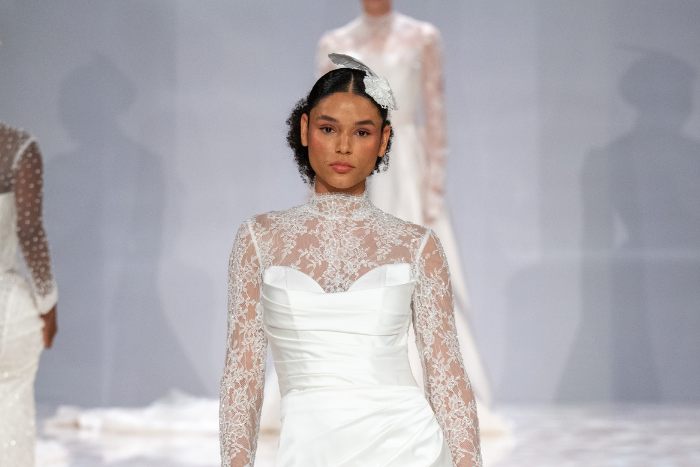
Christina notes, "At Maggie Sottero, we’re committed to creating beautiful and inclusive spaces for every single one of our brides. Inclusivity isn’t a single policy for us; it’s the lens we design and sell through. It shows up in our no-upcharge extended sizing, in construction details like built-in nude-coloured bra cups and illusion tulle designed to flatter every body, in the range of brides we put front and centre in our imagery, and in the training we give stockists to make their own spaces more welcoming."
For younger consumers, these efforts are no longer viewed as differentiators.
"Gen Z expects that as a starting point, not a selling point."
How has product development evolved to appeal to a broader and younger audience?
Listening directly to brides has become central to the company’s design process, allowing feedback to shape collections before launch. "The best way we can appeal to a younger bridal market is by listening. Through our Development Events, our designers and team get real-time feedback directly from brides, so we’re designing around what brides actually want rather than guessing. That means building with a wider range of brides in mind from the very start instead of treating inclusivity as something to retrofit. It shapes everything from fit and construction to the way a gown moves and photographs on different bodies."
For Maggie Sottero, personalisation is another area where expectations have shifted: "Gen Z isn’t looking for the dress everyone else has. They want a gown that feels unmistakably theirs. When a bride sees themselves in a collection before they’ve even tried anything on, that’s when the connection happens."
What are you teaching retailers about selling to Gen Z brides?
The brand believes success today is driven less by sales tactics and more by creating memorable experiences.
Maggie Sottero: "Our biggest advice to stockists is that selling to this generation is about experience, not persuasion. Gen Z brides have already narrowed down their choices online, so it’s about making them feel genuinely welcome in the room."
"These brides are also navigating an overwhelming amount of choices, so the real opportunity is to cut through the noise and make the appointment feel uplifting and personal. We coach our stylists to style with intention, use language that includes rather than singles out, and ensure every bride, of every size and ability, feels the experience was designed for them. Gen Z brides talk, and they share where they felt seen and heard. That belonging is what closes the sale and what brings the next bride through the door."
As Gen Z continues to reshape the bridal market, Maggie Sottero sees the industry’s future as one rooted in authenticity, inclusivity and experience. For brands and retailers alike, success will depend less on convincing brides to buy and more on creating products, stories and shopping experiences that genuinely reflect the people they’re designed to serve.