
Wedding Dress Shopping: Supporting Autistic Customers – Part Two
How can bridal boutiques create a more sensory-friendly wedding dress shopping experience for autistic brides? In the second part of our series, the National Autistic Society shares practical advice on sensory sensitivities, communication and making every bride feel comfortable and supported


In the first part of our series on supporting autistic customers, we explored how bridal retailers can make a real difference before a bride even steps through the boutique door. We discussed thoughtful pre-appointment communication and helping customers know exactly what to expect, as well as small changes that can have an enormous impact on how comfortable and confident someone feels.
But what happens once the appointment begins? The sights, sounds, textures and emotions that are all part of wedding dress shopping can present additional challenges for autistic customers. And while every autistic person is different, understanding sensory sensitivities and being willing to adapt can make a world of difference.
We continue our conversation with Christine Flintoft-Smith, Head of Autism Accreditation and Projects at the National Autistic Society, to explore how bridal retailers can create a more inclusive, comfortable and enjoyable experience.
Sensory Sensitivities
There are countless everyday elements within a bridal boutique that could become overwhelming from a sensory perspective. This is why reassurance and open communication ahead of the appointment are so important. Simply letting a customer know that adjustments can be made, and that their comfort genuinely matters, can immediately help them feel safer and more at ease. Again, this is why it is so key to include reassurance that you are open to suggestions about what might make the experience more comfortable for them in pre-appointment discussions.
“This might include dimming the lights (if possible), turning off the radio, or offering a ‘quiet appointment’ if the person may prefer to stick to the necessary questions about their fitting and skip any ‘small talk’,” says Christine. “Every autistic person is unique and there are a wide range of sensory differences; while one autistic person may not be affected at all by bright lights, for another person it could make getting through the appointment really difficult. So, it’s best to be advised by the individual as to what their needs are, and being open to conversations about what could help them.”
Before any dresses are tried on, it is a great idea to let your customer touch and feel the fabric of the dresses. Are they comfortable with how it feels against their skin? In terms of structure and fit, are they happy to try on styles that may feel restrictive to them? Or would they feel more comfortable in more free-flowing designs?
During the appointment, what does good practice look like when a customer expresses discomfort or says ‘no’? It’s important to remember that the person knows best what they are able to cope with. What might seem like a very minor thing for a neurotypical person can be genuinely distressing for someone who is autistic.
“If they’ve shared that they’re uncomfortable or would like to stop, it’s vital that they are listened to and treated respectfully,” says Christine. “It might be a good idea to allow them to take a break, such as moving to a quieter room, or consider alternative options to whatever they have expressed discomfort with. It’s important to get their input about what will help in that situation – do not make assumptions as you may inadvertently cause further distress.”
Patience & Communication
If bridal retailers are experts in anything, it’s care, patience and emotional support. Boutique owners already spend their days helping people navigate nerves, vulnerability and huge life moments with warmth and compassion. That’s exactly why the bridal industry is in such a powerful position to support autistic customers, too.
Exercising patience can make an enormous difference to an autistic person’s experience.“They might need extra processing time, so not rushing them or pressing for answers straight away by repeating the question can really help with preventing embarrassment or distress,” says Christine.
It would also be helpful to respect personal space, including not forcing eye contact, which some autistic people can find uncomfortable. “This will also make the experience much easier for an autistic person,” explains Christine.
In genuine terms, many of the adaptations and considerations discussed are low-cost, or completely free, but they can have a life-changing impact for autistic people and their families. Often, it starts simply with listening. “A willingness to listen to customers can go a long way in ensuring you get it right,” says Christine. “Engaging with autistic people and families regularly will ensure that your business is considering all areas and learning from steps that have been taken. Word of mouth is often key amongst the autistic community, so if you can support someone effectively and they have a positive experience they are sure to pass it on to others.”
Inclusivity is not about grand gestures. Often, it’s about listening, adapting and making somebody feel safe enough to fully enjoy a moment they will remember forever. The bridal industry is uniquely placed to offer that experience. And for autistic customers, many of whom are used to navigating spaces that do not naturally accommodate them, that level of care, patience and understanding can mean far more than boutique owners may ever realise.
Read Part One: Supporting Autistic Customers
Find Out More
For additional support and recognition, you may like to undertake the National Autistic Society’s Neuroinclusive Access Award. For more information, or to access the charity’s autism-friendly guides and resources, please visit autism.org.uk/learn.
Words: Anna-Marie DeSouza
You may also like
What Does The Average Wedding Dress Cost?
Bridal Week 2027: Show Update
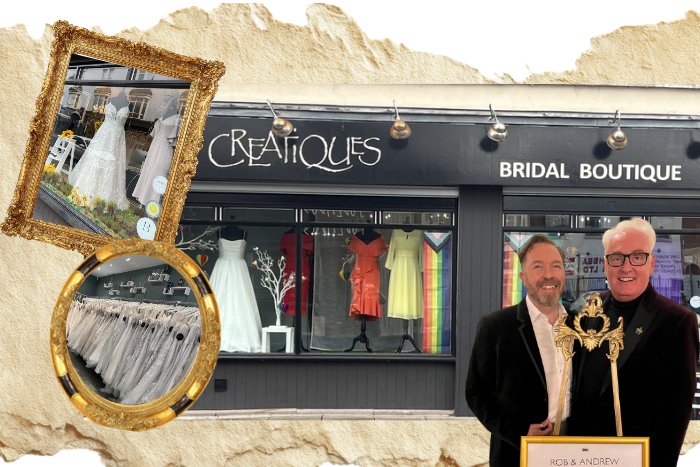
Stories From the Shop Floor: Creatiques