
Wedding Law Reforms: What Is It All About?
The biggest proposed overhaul of wedding law in almost 200 years might transform how couples marry in England and Wales. But what does this actually mean for couples, retailers and the wider wedding industry?


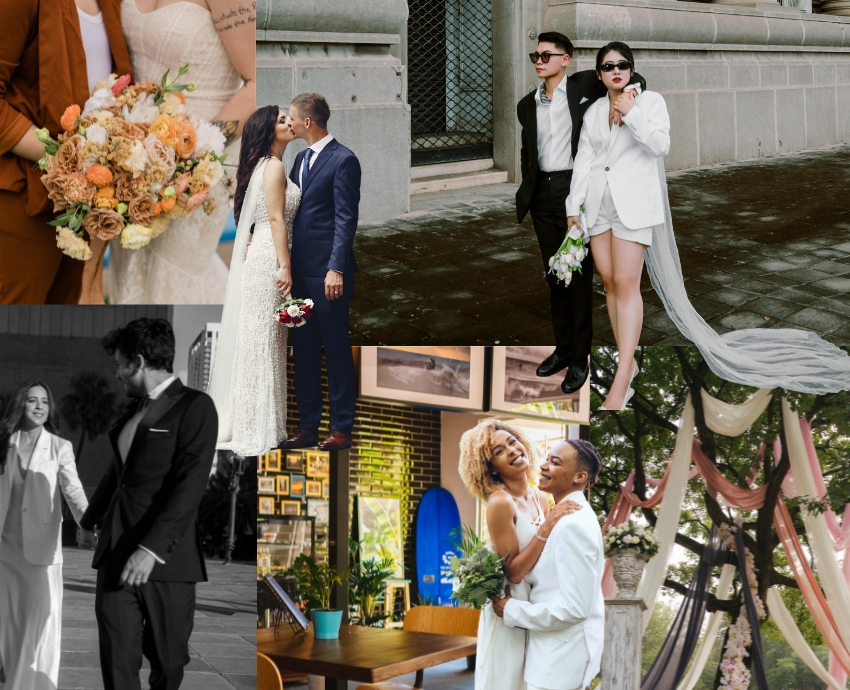
For the first time in nearly 200 years, the government has launched a consultation on reforming wedding law, which may give couples greater choice over where and how they say ’I do.’
It’s welcome news for the wedding industry, as under the current legislation in England and Wales, legal marriages can only take place in a registry office, a registered place of worship or a licensed civil venue. Even though humanist and independent celebrant-led ceremonies are increasingly popular, they are still not legally recognised in England and Wales – despite the fact they are permitted in Scotland and Northern Ireland.
What Are The Proposed Changes?
The reforms would shift the legal focus away from licensed venues and instead place responsibility with registered officiants, including registrars and independent celebrants. This would give couples far greater flexibility over where they marry and could remove the need for separate legal ceremonies, saving both time and money. BrideBook’s Zoe Burke says: "I’m particularly delighted by the idea that couples can choose who conducts their ceremonies – whether it’s for religious or personal reasons. You can customise so many details of your wedding, so choosing who runs your actual ceremony feels like an obvious next step."
Why Is This Such Positive News?
If introduced, the reforms would represent one of the biggest changes to wedding legislation in generations. Couples would enjoy far greater freedom to personalise both where and how they marry, creating ceremonies that feel more authentic and reflective of their own beliefs, personalities and relationships. Rather than being shaped by legal restrictions, weddings could become even more inclusive and meaningful.
What Does It Mean For The Bridal Industry?
For the wider wedding industry, the reforms could unlock exciting new opportunities. Greater flexibility over locations and ceremony styles is likely to encourage even more creative (and personalised) celebrations, with fashion playing an increasingly important role as couples curate looks to suit different settings and experiences.
“Couples can further personalise their ceremonies and how their weddings take place,” says Zoe. “This is especially useful for bridal shops and brands as a change in location might result in more outfits, or more bridalwear consideration from the outset. For example, a couple choosing to marry in a forest would choose a very different outfit option to the celebration they have afterwards. For couples looking at city weddings, or weddings in parks, they may want a variety of different outfit options to suit.”
She adds: "It is a great opportunity to chat to your couples about the consultation, encourage them to share their views on it and be aware that weddings are about to change. Read up on it, become an expert to answer their questions – show them that you have thought about all the different outfit options you have for all the venue possibilities that are about to open up."
What’s Next?
While the proposals have been widely welcomed, any legislative change is still some way off. Wedding law has been under review for more than a decade, with the Law Commission publishing its recommendations in 2022 before the Government committed to reform in late 2025. The consultation is now open until 24 September 2026.
After this time, the responses will be reviewed before any legislation is drafted and debated in Parliament. Although reforms are unlikely to come into force before 2028, this consultation represents a significant step forward, and one the entire wedding industry should be watching closely.
Couples, wedding professionals and businesses are all encouraged to have their say. The consultation document, together with details of how to respond, can be found on the Government’s consultation page:
WORDS Anna-Marie DeSouza
You may also like


Style Notes: Halter Neck Wedding Dresses
Meet The Makers: Rebecca Anne Designs
Bridesmaids: A Cohesive Wedding Look

Branding and The Future of Bridal Retail
"Bridal Sizing Is Simply A Number"